Understanding Laser Skin Treatment: Benefits, Procedure, Safety, and Recovery
Introduction
Modern aesthetic medicine has introduced a wide range of treatments designed to improve the appearance of the skin, address cosmetic concerns, and help patients feel more confident. Among these options, laser-based skin treatments have become increasingly popular because they can be tailored to different skin conditions and individual needs. Depending on the technology used, laser treatments may help improve skin texture, reduce the appearance of certain scars, address pigmentation concerns, and support skin rejuvenation.
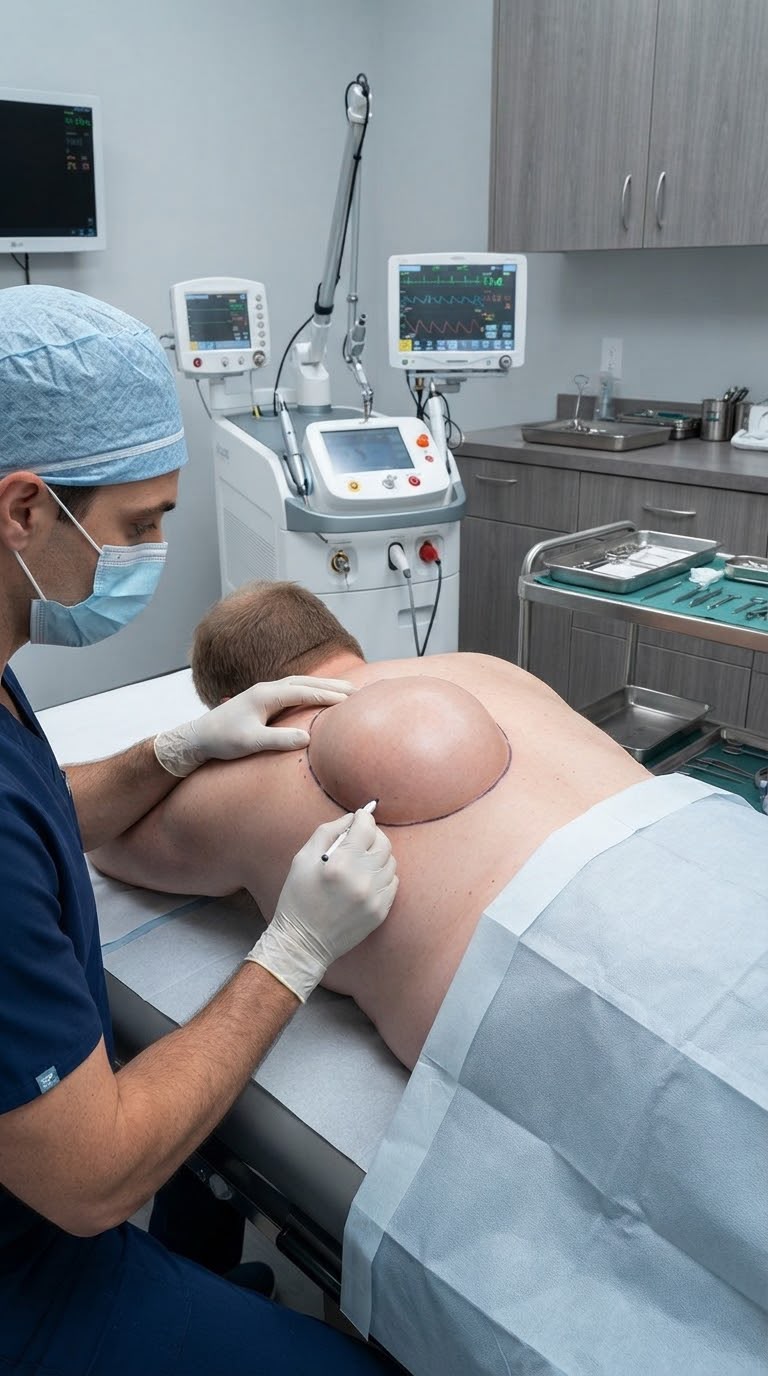
The image shows a medical professional working with a patient in a clinical treatment room equipped with specialized medical devices and monitoring equipment. Although the exact procedure cannot be confirmed from the image alone, the setting highlights the importance of professional supervision, appropriate equipment, and careful patient assessment during medical and aesthetic procedures.
Understanding how laser treatments work, what they can and cannot achieve, and how to prepare for recovery can help people make informed decisions about their skin health.
What Is Laser Skin Treatment?
Laser skin treatment uses concentrated beams of light to target specific structures or layers of the skin. The word LASER stands for Light Amplification by Stimulated Emission of Radiation. In medical aesthetics, different laser wavelengths are selected according to the treatment goal and the characteristics of the patient’s skin.
Some lasers target pigment, while others focus on blood vessels, hair follicles, or water within skin tissue. Certain devices are designed to remove very thin layers of damaged skin, whereas others heat deeper tissue to encourage changes associated with collagen remodeling.
Not every laser treatment works in the same way. The appropriate technology depends on the concern being treated, the patient’s skin tone, medical history, and expectations.
For example, a treatment intended to reduce unwanted hair differs significantly from one used to improve acne scars or sun-related skin damage. This is why a qualified professional should identify the correct procedure before treatment begins.
Common Types of Laser Skin Treatments
Ablative Laser Treatments
Ablative lasers remove controlled portions of the skin’s outer layers. They may be used to address certain wrinkles, scars, and surface irregularities.
Because these treatments intentionally affect the skin barrier, they usually require more recovery time than non-ablative procedures. Redness, swelling, tenderness, and temporary changes in skin appearance may occur during healing.
Careful wound care and sun protection are essential following an ablative procedure.
Non-Ablative Laser Treatments
Non-ablative lasers heat targeted tissue without intentionally removing the entire outer layer of skin. They may be used for selected concerns involving texture, fine lines, or collagen remodeling.
Recovery is often shorter than with more intensive ablative procedures, although results can be more gradual and multiple sessions may be needed.
Fractional Laser Treatments
Fractional laser technology treats microscopic areas of skin while leaving surrounding tissue untreated. These untreated areas can help support the healing process.
Fractional treatments may be considered for certain types of acne scarring, uneven texture, fine lines, and signs of sun damage. The intensity of treatment determines the likely recovery period and potential side effects.
Pigment-Targeting Laser Treatments
Some lasers are designed to target pigment in the skin. Depending on the device and diagnosis, they may be used for selected sun spots, freckles, or other pigment-related concerns.
However, pigmentation has many possible causes. Melasma, post-inflammatory hyperpigmentation, and other pigment disorders may respond differently to treatment. In some cases, laser procedures can worsen discoloration, particularly when the treatment is poorly selected or performed without appropriate precautions.
A professional assessment is therefore important before treating dark spots.
Potential Benefits of Laser Treatments
When appropriately selected and performed, laser treatments may offer several benefits.
Improvement in skin texture: Certain procedures can reduce the appearance of roughness and selected surface irregularities, helping the skin appear smoother.
Reduction in selected scars: Some laser techniques can improve the appearance of acne scars and certain other scars. The extent of improvement depends on the scar type, depth, and treatment method.
Treatment of sun-related changes: Specific devices can target certain forms of sun damage, including selected pigmented spots and textural changes.
Reduction in unwanted hair: Laser hair removal can provide long-term reduction in hair growth after a series of treatments. Results vary according to hair color, skin tone, hormonal factors, and the device used.
Support for collagen remodeling: Certain procedures stimulate changes in the skin that may gradually improve firmness and the appearance of fine lines.
It is important to understand that these benefits are not guaranteed. Some concerns require several sessions, while others may be better treated with medication, topical skincare, or an alternative medical procedure.
What Happens Before a Laser Procedure?
Preparation begins with a consultation. A qualified dermatologist or appropriately trained medical professional should examine the skin, discuss the patient’s goals, and determine whether the procedure is suitable.
The consultation may include questions about previous treatments, allergies, current medications, skin sensitivity, cold sore history, and conditions that can affect healing. Recent tanning and the use of certain skincare products may also influence treatment planning.
Patients should tell their provider about all medications and topical products they use. They should not stop prescribed medication without medical advice.
Depending on the procedure, the professional may recommend temporarily avoiding irritating skincare ingredients or direct sun exposure. Patients should follow individualized instructions rather than relying on a generic preparation routine.
The provider should also explain expected results, possible side effects, the estimated recovery period, and the likely number of sessions.
How a Typical Laser Session Works
The exact process depends on the device and the condition being treated. However, many professional laser sessions follow a similar sequence.
Step One: Skin Assessment
The professional examines the treatment area and confirms the treatment plan. The skin should be evaluated for irritation, infection, unusual lesions, or other factors that may make treatment inappropriate.
Step Two: Cleansing the Skin
The treatment area is cleaned to remove makeup, oils, and skincare products. Depending on the procedure, a topical anesthetic may be applied to improve comfort.
Step Three: Protective Measures
Appropriate protective eyewear is essential for both the patient and the treatment team. Laser devices can cause serious eye injuries if the required safety measures are not followed.
The professional also selects suitable device settings based on the treatment target and the patient’s skin characteristics.
Step Four: Applying the Laser
The provider directs the laser over the designated area using the selected technique. Patients may feel warmth, tingling, or brief snapping sensations, depending on the device.
The duration can vary from a few minutes to considerably longer for larger or more complex treatment areas.
Step Five: Immediate Aftercare
After treatment, the skin may be red, warm, swollen, or sensitive. The professional provides instructions for cleansing, moisturizing, sun protection, and any additional wound care that may be necessary.
The patient should understand which reactions are expected and which symptoms require medical attention.
Recovery and Aftercare
Proper aftercare is a major part of the treatment process. The skin may be temporarily more sensitive following a laser procedure, and the recovery period depends on the technology and treatment intensity.
Keep the Skin Clean
Follow the provider’s instructions for gentle cleansing. Avoid scrubbing the treated area or using abrasive exfoliants while the skin is healing.
If the procedure has damaged the skin barrier, follow the specific wound-care plan provided by the treating professional.
Use Suitable Moisturizers
A gentle, fragrance-free moisturizer may help support comfort and reduce dryness after many procedures. More intensive treatments may require specific ointments or dressings recommended by the provider.
Avoid applying unapproved home remedies, strong acids, or irritating products to recently treated skin.
Protect the Skin From Sunlight
Sun protection is especially important after laser treatment because ultraviolet exposure can contribute to irritation and unwanted pigmentation changes.
Follow the provider’s advice about when to resume sunscreen use. Once suitable for the treated skin, broad-spectrum sunscreen with SPF 30 or higher, protective clothing, and shade can help reduce sun exposure.
Avoid Picking or Scratching
Some treatments produce temporary crusting, flaking, or peeling. Picking at the skin can delay healing and increase the risk of infection, scarring, or discoloration.
Allow the skin to heal naturally and follow the recommended care instructions.
Pause Irritating Skincare Products
Retinoids, exfoliating acids, scrubs, and other potentially irritating products may need to be paused temporarily. The appropriate timing depends on the procedure and the condition of the skin.
Ask the treating professional when each product can safely be reintroduced.
Possible Side Effects and Risks
Laser treatments can be beneficial, but they are not completely risk-free.
Common temporary reactions include redness, swelling, tenderness, and mild discomfort. Some procedures can also cause peeling or temporary changes in skin sensitivity.
Less common but more serious complications may include burns, blistering, infection, scarring, and darkening or lightening of the skin. The risk depends on the treatment type, device settings, the patient’s skin characteristics, and the experience of the provider.
People with darker skin tones may have an increased risk of certain pigment changes with some laser technologies. This does not mean laser treatment is automatically unsuitable; it means that the device and settings must be selected carefully by someone experienced in treating that skin type.
Patients should contact their healthcare provider if they experience worsening pain, spreading redness, pus, fever, or other signs of possible infection. Severe blistering, rapidly worsening swelling, or any visual symptoms after a procedure require prompt medical evaluation.
Who May Be a Suitable Candidate?
Suitability depends on the particular concern and the planned treatment.
A person seeking improvement in acne scars may require a different approach from someone seeking hair reduction or treatment for pigmentation. The professional should consider skin tone, current skin condition, medical history, medications, previous procedures, and the patient’s ability to follow aftercare instructions.
Active skin infections, significant irritation, certain healing problems, and recent tanning may require postponing treatment. Some medications or medical conditions may also affect the treatment plan.
People with suspicious, changing, bleeding, or non-healing skin lesions should have them medically evaluated rather than attempting to remove them with a cosmetic laser.
A consultation helps determine whether laser treatment is appropriate or whether another option would provide a better balance of benefit and risk.
How Many Sessions Are Needed?
The number of sessions varies considerably.
Laser hair removal typically requires multiple treatments because hair grows in different cycles. Pigment-related procedures may require one or more sessions depending on the diagnosis and response. Treatments for scars and skin texture may also involve several sessions spaced over weeks or months.
More intensive treatment is not necessarily better. Increasing the intensity can increase the risk of side effects without guaranteeing a superior outcome.
The provider should establish a realistic treatment schedule and explain how progress will be assessed. Photographs taken under consistent lighting may help document changes over time.
Laser Treatment Compared With Other Skincare Options
Laser procedures are only one part of modern skincare. Many skin concerns can also be managed through topical treatments, prescription medications, professional chemical peels, or other dermatological approaches.
For mild uneven pigmentation, a professional may recommend sun protection and appropriate topical products before considering a procedure. For acne, treating active breakouts may be necessary before addressing residual scars. For unwanted hair, laser treatment may be compared with shaving, waxing, or electrolysis.
The best choice is not necessarily the newest or most expensive treatment. It is the option that matches the diagnosis, personal goals, budget, and acceptable recovery time.
A qualified professional can help compare alternatives and explain what each treatment is realistically likely to achieve.
Common Myths About Laser Skin Treatment
Myth: One Session Will Solve Every Skin Concern
Many treatments require a series of sessions, and some concerns cannot be completely eliminated. Results depend on the condition, device, treatment plan, and individual response.
Myth: Laser Procedures Have No Side Effects
Even professionally performed procedures can cause adverse reactions. Proper screening, equipment selection, protective measures, and aftercare help reduce risks but cannot eliminate them entirely.
Myth: Every Laser Works the Same Way
Different devices use different wavelengths and treatment methods. A laser suitable for hair reduction may not be appropriate for treating scars or pigmentation.
Myth: Results Are Always Permanent
Some results can be long-lasting, but aging, sun exposure, hormonal changes, and other factors may affect the skin over time. Maintenance treatments may be needed for selected concerns.
Myth: Home Remedies Can Replace Professional Treatment
Natural ingredients and household mixtures are not substitutes for medically supervised laser procedures. Products such as lemon juice, abrasive scrubs, and concentrated homemade mixtures can irritate the skin and worsen pigmentation, especially after treatment.
How to Choose a Qualified Provider
Choosing the right professional is one of the most important steps in the process.
Look for a licensed healthcare professional with appropriate training and experience in the specific laser procedure being considered. Ask which device will be used, why it is suitable for your skin, what results are realistic, and what complications may occur.
A responsible provider should conduct an assessment, explain the risks, discuss alternatives, and provide clear aftercare instructions. The clinic should also follow appropriate infection-control procedures and laser eye-safety standards.
Be cautious of guarantees of perfect results, pressure to purchase unnecessary packages, or claims that a treatment is completely risk-free.
Patients should feel comfortable asking questions and taking time to decide before proceeding.
Conclusion
Laser skin treatments are an important part of modern aesthetic and dermatological care. Depending on the technology used, they may help improve selected scars, pigmentation concerns, unwanted hair, and certain signs of skin aging.
However, successful treatment involves more than operating a device. Careful assessment, suitable treatment selection, realistic expectations, professional technique, and proper aftercare all play important roles in achieving the best possible outcome.
The image illustrates a clinical environment in which specialized equipment is being used under professional supervision, but the exact procedure shown cannot be identified with certainty from the photograph alone. The same principle applies to anyone considering a treatment: understanding the procedure before beginning is essential.
Anyone interested in laser skin treatment should consult a qualified medical professional to determine which options are appropriate for their individual needs. With accurate information and responsible care, patients can make better-informed decisions about their skin health and cosmetic goals.
Frequently Asked Questions
Is laser skin treatment painful?
The sensation depends on the device and treatment intensity. Some people experience warmth, tingling, or brief snapping sensations. Cooling methods or anesthetic products may be used when appropriate.
How long does recovery take?
Recovery may range from a few hours or days after some treatments to a week or longer after more intensive procedures. The exact timeframe depends on the technique and individual healing.
Can laser treatment cause dark spots?
Yes. Temporary or persistent pigmentation changes can occur, particularly when the skin is not properly assessed or protected. Appropriate device selection and sun protection can help reduce this risk.
Can all skin tones receive laser treatment?
Many skin tones can be treated with suitable technologies and carefully selected settings. The safest approach depends on the specific device, treatment goal, and provider’s experience.
When will results become visible?
Some changes may appear within days or weeks, while collagen-related improvements can take several months. Hair reduction and other concerns often require multiple sessions.
Is professional consultation necessary?
Yes. A qualified professional can identify the concern, determine whether laser treatment is appropriate, explain alternatives, and develop a safe treatment plan.
Important note: The image alone does not establish which medical procedure is being performed. The article therefore discusses laser skin treatment generally rather than claiming that the pictured procedure is a specific treatment. If the image is intended to illustrate a different procedure, the article should be adjusted to match it accurately.