Guide to Eco-Friendly DIY Cleaning: Powerful Solutions Using Everyday Household Items
Traditional commercial cleaning products often come loaded with harsh synthetic chemicals, strong artificial fragrances, and single-use plastic packaging that can impact both indoor air quality and the environment. Fortunately, you don’t need a cabinet full of specialized chemical sprays to keep your living space spotless. By utilizing simple, affordable household staples like white vinegar, baking soda, and dish soap, you can tackle almost any cleaning challenge safely and effectively.
1. The Powerhouses of Natural Cleaning
Before diving into specific recipes, it helps to understand why everyday kitchen items work so well for cleaning:
White Vinegar: An affordable and natural acidic solution that cuts through grease, dissolves mineral deposits, and neutralizes common household odors.
Baking Soda (Sodium Bicarbonate): A mild, non-abrasive alkaline substance that acts as a gentle scrubbing agent, deodorizes musty spaces, and helps lift embedded dirt.
Liquid Dish Soap: A powerful surfactant that breaks down oils, suspends grease particles in water, and lifts surface stains from fabrics and hard surfaces.
2. Essential DIY Cleaning Recipes
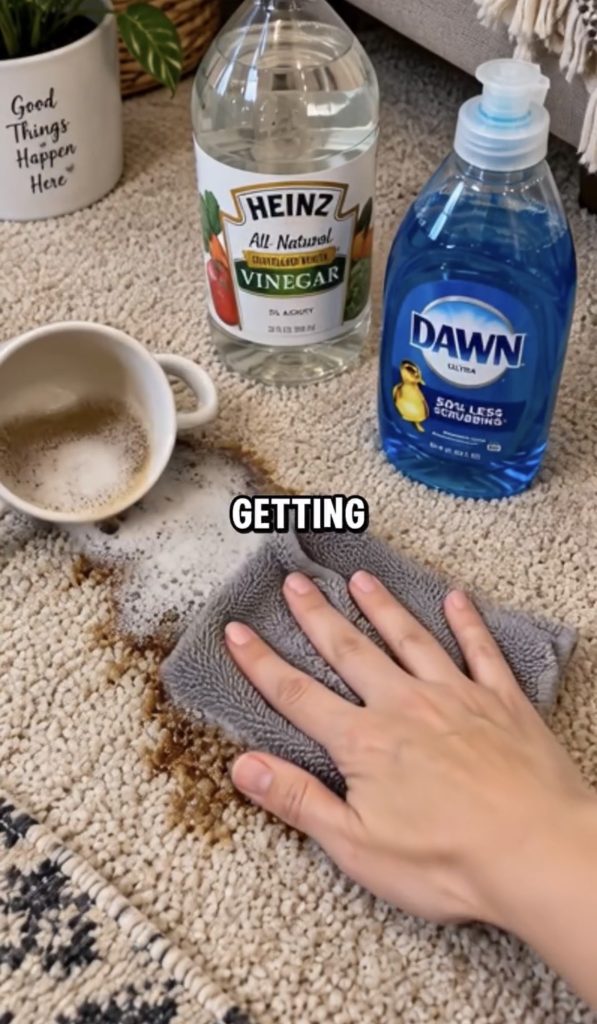
Carpet Stain Lifter
Spills and stains on carpets can be stressful, but a simple combination of household liquids can lift them without harsh bleaches.
Ingredients: Equal parts white vinegar and warm water, plus a few drops of liquid dish soap.
Application: Mix the solution gently in a bowl. Dip a clean cloth into the mixture and blot the stain from the outside edges inward to prevent spreading. Rinse with a separate cloth dampened with cold water, then blot dry with a towel.
Streak-Free Window and Glass Polish
Windows and glass surfaces often accumulate a hazy film from dust, outdoor pollen, and indoor oils.
Ingredients: Baking soda and a small amount of warm water.
Application: Create a smooth, workable paste using baking soda and water. Apply it to glass surfaces with a soft cloth to gently buff away stubborn grime, then wipe clean and polish with a damp microfiber cloth for a streak-free finish.
Heavy-Duty Rust and Residue Remover
For tough outdoor tools, metallic fixtures, or stubborn burnt-on residues, mild household acids can help break down oxidation.
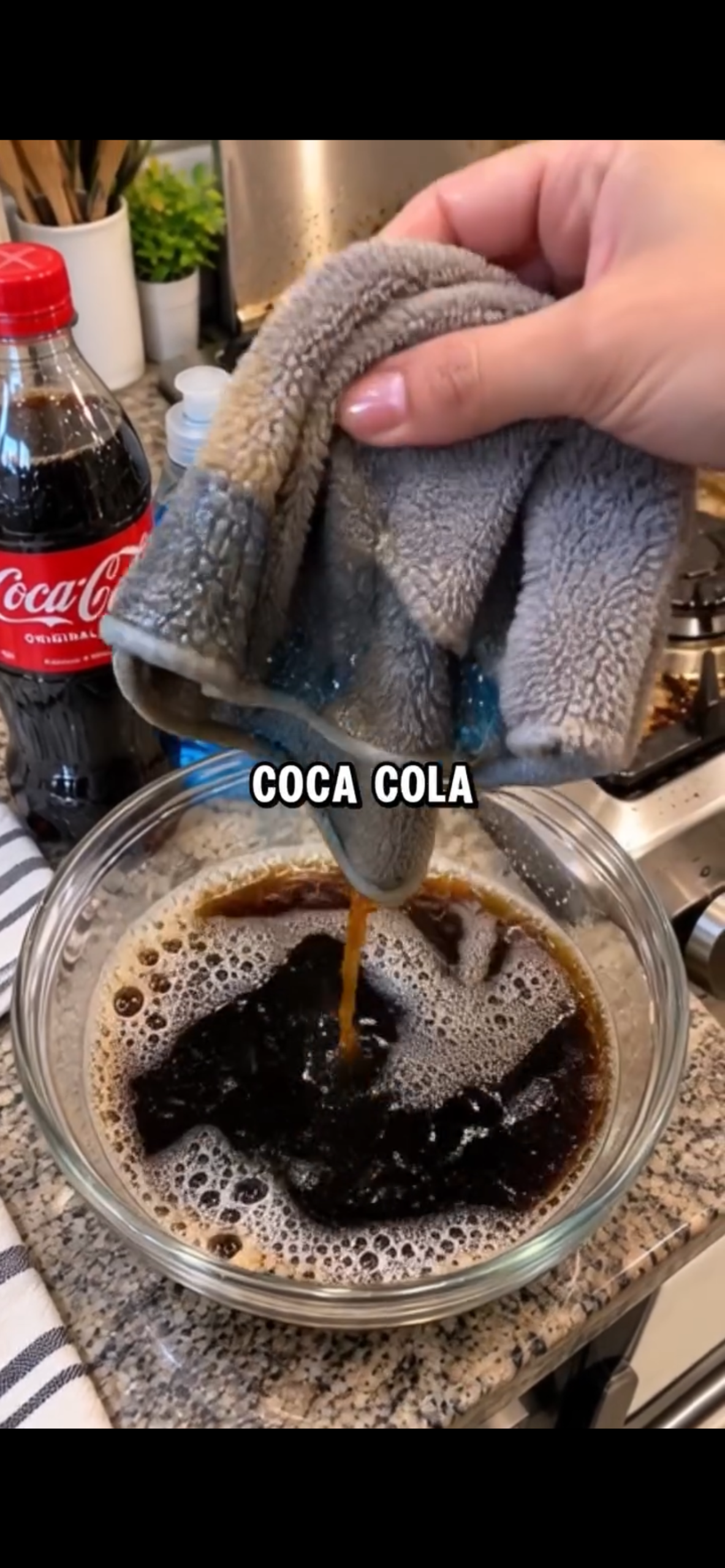
Ingredients: Carbonated cola.
Application: Pour or sponge the soda directly onto the affected metallic area. Allow it to sit undisturbed for 30 to 60 minutes so the carbonation and mild phosphoric acid can loosen the buildup, then scrub thoroughly and rinse with clean water.
3. Safety Tips and Best Practices
Never Mix Vinegar and Bleach: Combining acidic vinegar with chlorine bleach creates toxic chlorine gas. Always use these cleaning agents separately and rinse surfaces thoroughly between different products.
Test on Small Areas: When trying a new DIY solution on delicate fabrics, colored carpets, or finished wood, always test the mixture on a hidden, out-of-sight spot first.
Label Your Mixtures: If you store your DIY cleaning solutions in reusable spray bottles or containers, clearly label them with their contents and date of creation.
What specific room or surface are you planning to deep clean next?