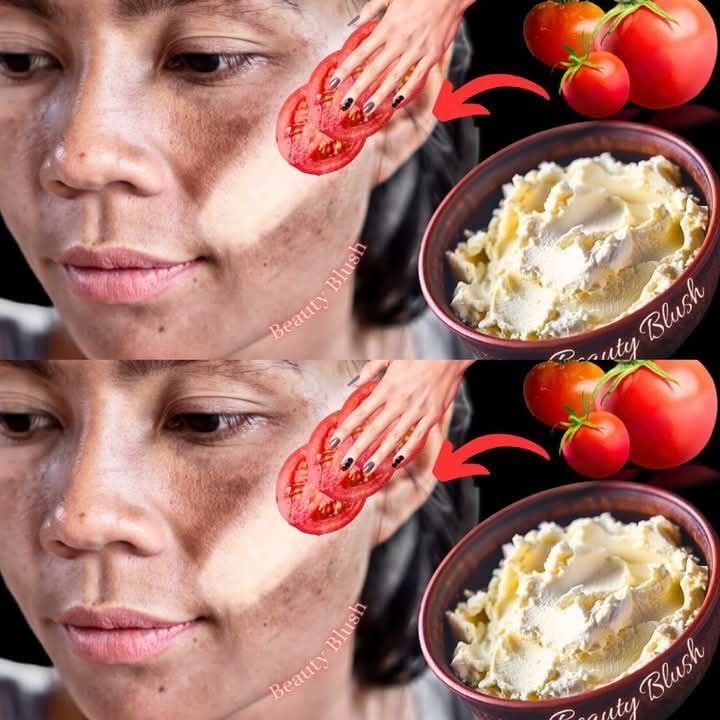
Tomato & Butter Face Mask for a Fresh, Glowing Look 🍅✨
If your skin looks tired, dull, or uneven, a simple homemade face mask can be a relaxing addition to your skincare routine. This tomato and creamy butter-inspired mask combines the refreshing feel of tomato with a rich moisturizing ingredient to leave the skin feeling soft and smooth.
It’s important to remember that homemade skincare cannot permanently remove dark spots or pigmentation. Tomato contains vitamin C and other antioxidants, but applying tomato to the skin has not been proven to erase hyperpigmentation. For persistent dark spots, daily sunscreen and proven skincare ingredients are much more reliable.
Still, if you enjoy simple DIY beauty recipes, this is an easy one to try.
🍅 Ingredients
- 1 small ripe tomato
- 1 teaspoon plain unsalted butter, softened
- 1 teaspoon plain yogurt, optional
- 1 teaspoon honey, optional
- A small bowl
- Clean spoon
- Clean face towel
Why These Ingredients?
Tomato:
Tomatoes naturally contain water, antioxidants, and compounds such as lycopene. The fresh tomato pulp can give the mask a cooling and refreshing feel.
Butter:
Butter provides oils and fats that can make the skin feel softer and more moisturized. However, it may feel heavy on oily or acne-prone skin, so it isn’t suitable for everyone.
Plain yogurt:
If you choose to add yogurt, use plain unsweetened yogurt. It gives the mixture a creamy consistency and contains lactic acid, although the amount and effect in a homemade mask are unpredictable.
Honey:
A small amount can make the mask smoother and more hydrating. Choose plain honey without added fragrances or flavorings.
🥣 How to Make the Mask
Start by washing the tomato thoroughly.
Cut the tomato in half and scoop out approximately one tablespoon of the soft pulp. Place it in a clean bowl and mash it gently with a spoon until you have a relatively smooth mixture.
Add one teaspoon of softened unsalted butter and mix well.
For a creamier mask, you can add one teaspoon of plain yogurt. If your skin tolerates honey well, you can also add approximately one teaspoon of honey.
Stir everything together until the ingredients form a soft, creamy mixture.
The mask should be easy to spread without being excessively watery.
✨ How to Apply It
Before applying anything homemade to your face, perform a small patch test on an inconspicuous area of skin.
If there is no irritation, gently cleanse your face and pat it dry.
Apply a thin layer of the mixture to the face, avoiding the eyes, lips, nostrils, and any cuts or irritated areas.
Do not scrub the skin with the tomato pulp. Simply spread the mask gently.
Leave it on for about 5–10 minutes the first time.
If your skin starts burning, itching, or becoming noticeably red, rinse it off immediately.
After the recommended time, rinse thoroughly with lukewarm water and gently pat your face dry.
Finish with a simple fragrance-free moisturizer.
During the daytime, apply a broad-spectrum sunscreen. Sunscreen is especially important if you’re concerned about dark spots and uneven pigmentation.
🌸 What Can You Expect?
After washing the mask away, your skin may feel:
- Softer
- More moisturized
- Fresh and refreshed
- Temporarily smoother
- Less dry-looking
The fresh appearance comes mainly from cleansing, hydration, and the temporary effects of moisturizing ingredients.
However, don’t expect one application to permanently remove dark spots, melasma, acne marks, or pigmentation. Those concerns usually require consistent skincare and, in some cases, professional treatment.
⚠️ Important Skin-Safety Tips
Natural doesn’t automatically mean risk-free.
Tomato is acidic and may irritate sensitive skin. Butter can also be too heavy for some people, especially those who are prone to clogged pores or acne.
Avoid this recipe if you have:
- Open wounds
- Sunburn
- Active skin irritation
- A damaged skin barrier
- A known allergy to any ingredient
Don’t apply the mask immediately after shaving, waxing, exfoliating, or using strong active skincare products.
Also avoid combining this DIY mask with lemon juice, baking soda, or other harsh ingredients. These popular DIY combinations can cause irritation and may make pigmentation look worse.
💡 How Often Can You Use It?
For a homemade mask like this, once a week is more than enough.
There is no need to apply it every day. More frequent application doesn’t necessarily produce better results and can increase the chance of irritation.
If your skin becomes dry, itchy, or irritated after using it, stop.
☀️ The Most Important Step for Dark Spots
If your main goal is reducing the appearance of dark spots, the most important daily habit is sun protection.
UV exposure can make existing pigmentation darker and can make it harder for dark marks to fade.
A broad-spectrum sunscreen of SPF 30 or higher, applied regularly, is a much more important part of a pigmentation-focused routine than any homemade mask.
A simple routine could look like this:
Morning:
Gentle cleanser → moisturizer → sunscreen
Evening:
Gentle cleanser → moisturizer
If pigmentation continues to bother you, you can consider evidence-based ingredients such as niacinamide, azelaic acid, or vitamin C, depending on your skin type and tolerance.
🍅 Final Thoughts
This tomato and butter mask can be a fun, inexpensive DIY skincare treatment when used carefully. The tomato provides a fresh, cooling ingredient, while the butter adds richness and can help the skin feel softer.
But think of it as a simple self-care mask rather than a miracle treatment for pigmentation.
Healthy-looking skin usually comes from consistent habits: gentle cleansing, adequate moisturizing, sun protection, good sleep, and avoiding unnecessary irritation.
And if dark patches are persistent, spreading, or changing, it’s better to consult a dermatologist rather than relying solely on homemade remedies.
Save this recipe for your next at-home skincare day! 🍅✨