The Science and Safety of Neem: Evaluating the Traditional “Healing Leaf”
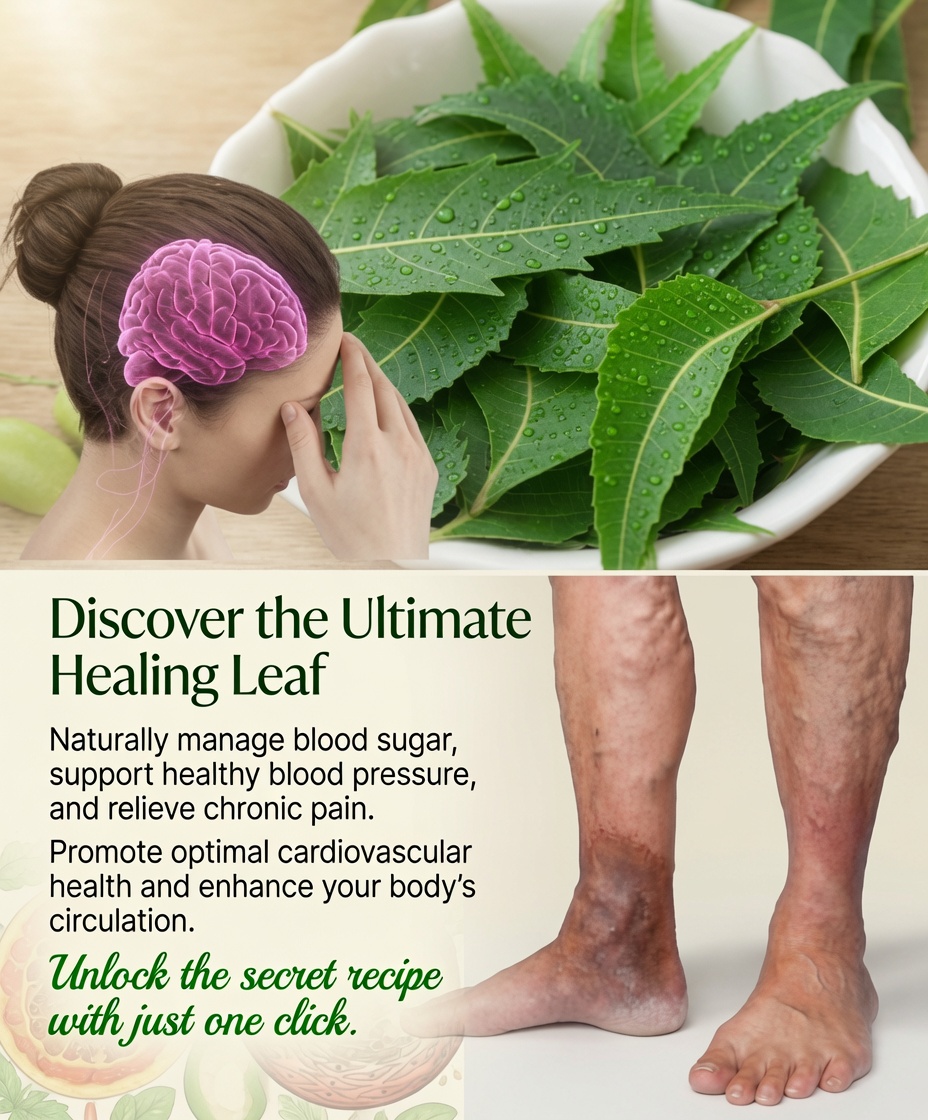
In the digital wellness space, social media advertisements and blog banners frequently feature eye-catching graphics making broad promises about natural remedies. A prominent example is the layout found in image_2.png, which labels a common plant as the “Ultimate Healing Leaf.” The graphic suggests that a single botanical recipe can effortlessly manage blood sugar, support healthy blood pressure, relieve chronic pain, and enhance cardiovascular circulation with “just one click.”
The botanical featured in this imagery is Neem (Azadirachta indica), a tropical evergreen tree native to the Indian subcontinent. For thousands of years, neem has held a sacred place in traditional Ayurvedic medicine. Modern science has confirmed that its leaves are packed with potent bioactive compounds. However, as a responsible web publisher aligning with Google AdSense Content Policies, it is critical to present health information objectively. While neem possesses genuine therapeutic properties, it is not a magic cure-all, and using it improperly carries real physiological risks.
The Pharmacology of Neem: What Active Elements Are Present?
Neem leaves contain a complex matrix of chemically active ingredients. When scientists isolate extracts from the leaf, they find high concentrations of specific phytochemicals, including:
- Azadirachtin: A well-studied compound responsible for neem’s famous natural bio-pesticide and insect-repellent properties.
- Quercetin: A powerful antioxidant flavonoid known for its ability to hunt down free radicals and mitigate oxidative stress within cells.
- Beta-Sitosterol: A plant sterol that has been studied for its ability to support healthy cholesterol levels and modulate localized inflammation.
Fact-Checking the Claims: What Modern Research Says
To separate viral marketing from peer-reviewed evidence, let’s analyze the specific claims mentioned in the lower half of image_2.png:
1. “Naturally Manage Blood Sugar” — Validated with Caveats
Clinical and animal studies support the idea that neem can influence metabolic functions. Research shows that aqueous extracts of neem leaves can reduce glucose uptake by inhibiting key digestive enzymes like glucosidases, while simultaneously helping to reduce the breakdown of starch into sugar.
The Medical Risk: Because neem is highly effective at lowering blood glucose, it presents a significant danger to individuals already taking prescribed diabetic medications like metformin or insulin. Combining neem with these drugs can cause blood sugars to plummet to dangerously low levels (hypoglycemia).
2. “Support Healthy Blood Pressure” — Mechanistically Verified
Laboratory studies indicate that neem crude extracts have a visible antihypertensive effect. The plant achieves this by interacting with calcium channels (similar to synthetic calcium channel blockers) and up-regulating endothelial nitric oxide synthase (\text{eNOS}). This dual action allows blood vessels to dilate, improving baseline vascular relaxation.
3. “Enhance Circulation and Relieve Pain” — Context Matters
The anti-inflammatory traits of neem leaves can help soothe systemic discomfort by muting certain inflammatory pathways. However, as depicted in the background imagery of image_2.png showing severe varicose veins or venous insufficiency in the lower legs, a plant extract cannot physically repair structural damage to vascular valves. It should never be relied upon as a primary cure for severe cardiovascular structural deficiencies.
The Hidden Dangers: Toxicity and Side Effects
While the digital ad claims that unlocking the secret recipe provides pure healing, medical literature outlines several severe adverse reactions associated with excessive oral consumption of neem:
- Men’s Fertility Issues: Clinical research suggests that regular oral consumption of neem can act as a natural spermicide and significantly reduce sperm production in men. Individuals attempting to conceive should avoid ingestible neem products entirely.
- Organ Toxicity: Neem contains mild systemic toxins. Long-term, heavy usage can place immense stress on the liver and kidneys, causing processing issues, nausea, and severe dizziness.
- Allergic Reactions: When consumed orally or applied as a highly concentrated topical paste, some individuals develop acute allergic responses, including skin rashes, hives, swelling of the throat, or rapid heart rates.
Safe, Established Uses for Neem
If you choose to integrate neem into your personal wellness routine, skip the unverified “secret recipes” found on viral landing pages and stick to traditional, scientifically supported methods:
Application Method Primary Benefit Why It Works Topical Paste / Bath Treats eczema, mild acne, and superficial skin infections. Natural antiseptic and antifungal compounds kill topical pathogens. Neem Toothpaste / Twigs Reduces dental plaque and prevents gingivitis. Active compounds maintain healthy gums and clear bad breath. Diluted Herbal Tea Short-term digestive support and mild antioxidant boost. Calms intestinal inflammation and clears temporary bloating. Ultimately, nature provides us with incredible resources, but transparency is the foundation of genuine health. Always consult a qualified medical professional before introducing powerful herbal extracts like neem into your internal healthcare regimen.