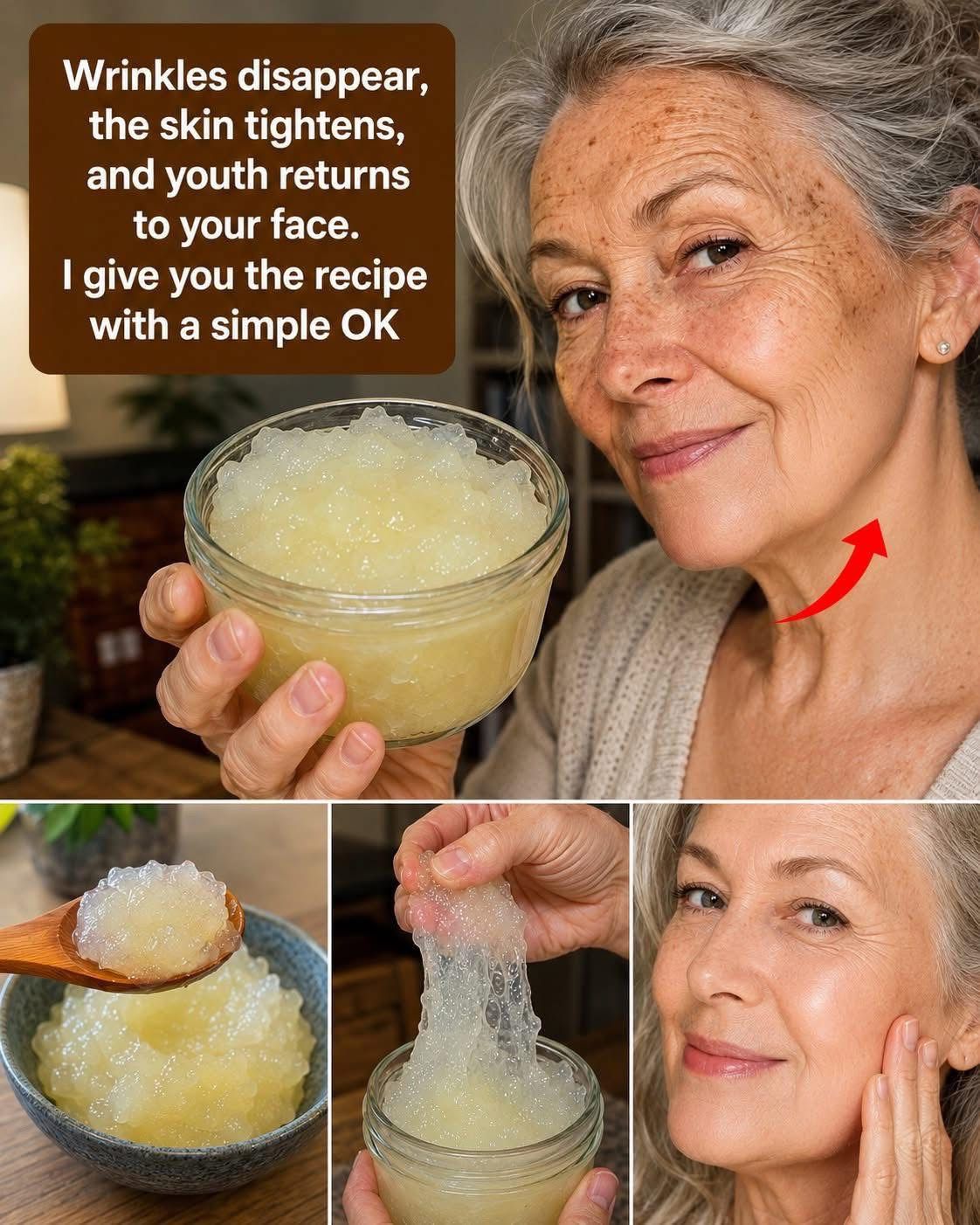
The Science of Skin Aging: Fact-Checking DIY Topical Collagen Claims
Understanding the Structural Biology of Wrinkles
To evaluate whether a topical home remedy can erase a wrinkle, it helps to understand exactly what a wrinkle is from a dermatological standpoint. The skin is divided into three primary layers:
- The Epidermis: The thin, protective outermost layer.
- The Dermis: The thick middle layer containing structural proteins, blood vessels, and nerves.
- The Hypodermis: The deep subcutaneous fat layer that provides volume.
[Epidermis: Moisture Barrier] ──> [Dermis: Collagen & Elastin Network] ──> [Hypodermis: Structural Fat Volume]True wrinkles, fine lines, and structural sagging originate deep within the dermis. This structural layer relies on a dense matrix of collagen fibers (which provide strength and firmness) and elastin fibers (which allow the skin to snap back into place).
As we age, two distinct processes degrade this internal scaffold:
- Intrinsic Aging: A natural, genetically determined slowdown in cellular turnover. Starting in our mid-twenties, the body produces roughly 1% less collagen in the dermis every year.
- Extrinsic Aging: Environmental damage—primarily ultraviolet (UV) radiation from sun exposure and pollution—that generates free radicals. These unstable molecules actively break down existing collagen and elastin fibers through a process called oxidative stress.
Why Large Molecules Cannot Penetrate the Skin
Many viral home remedies, like the thick, jelly-like compound shown in image.png, are celebrated because they are packed with natural proteins or polysaccharides. However, applying raw proteins like gelatin, collagen, or thick plant mucilage directly to your face cannot alter the dermis due to a fundamental principle in dermatology known as The 500-Dalton Rule.
The stratum corneum (the very top layer of the epidermis) acts as a highly effective, waterproof security barrier designed to keep external substances out of the body. Dermatological research has proven that compounds with a molecular weight greater than 500 Daltons (500\text{ g/mol}) cannot naturally absorb through an intact skin barrier.
Because raw proteins have a massive molecular mass, they simply sit on top of the epidermis. While these gels are excellent humectants—meaning they trap moisture against the skin surface and temporarily plumps fine lines via hydration—they evaporate or wash away completely the moment you cleanse your face. They cannot physically merge with or rebuild the deeper structural network of the dermis.
Fact vs. Fiction in Viral Anti-Aging Claims
When analyzing high-conversion social media ads, separating cosmetic illusions from biological facts protects both your wallet and your skin health:
| The Social Media Claim | The Biological Fact |
|---|---|
| “Wrinkles disappear instantly” | The gel provides a temporary film that tightens as it dries, visually pulling the skin taut until it is washed off. |
| “Topical food formulas rebuild skin collagen” | Whole food proteins cannot penetrate the skin barrier; they must be broken down internally into amino acids. |
| “Skin tightens permanently with DIY masks” | True skin elasticity can only be supported long-term by protecting existing dermis structures from UV degradation. |
Scientifically Verified Strategies for Healthy Aging Skin
If your goal is to support your skin barrier and encourage healthy cellular turnover as you age, dermatologists point to three core pillars backed by clinical trials:
1. Daily Broad-Spectrum Photoprotection
Since up to 80% of visible facial aging is caused by extrinsic UV exposure, daily application of a broad-spectrum sunscreen with an SPF of 30 or higher is the single most effective anti-aging strategy available. It prevents the ongoing radiation damage that breaks down the structural proteins in your dermis.
2. Topical Retinoids (Vitamin A Derivatives)
Retinol and prescription-strength tretinoin are among the few topically applied molecules small enough to interact with skin cell receptors. Clinical studies show they actively speed up cellular turnover in the epidermis and stimulate fibroblasts in the dermis to produce fresh, new collagen fibers over months of consistent use.
3. Targeted Internal Nutrition
Instead of applying food matrices to the outside of your skin, ingesting a balanced diet rich in amino acids, vitamin C (a crucial co-factor for internal collagen synthesis), and antioxidants provides your cells with the raw building blocks they need to maintain healthy tissue naturally from the inside out.